
← Back to the full Peptide Guide overview
Important Disclaimer — Read Before Using This Page
This information is not intended for use by unlicensed individuals or by licensed professionals who lack adequate training and experience in assessing patients for peptide or hormone therapy. All clinical decisions and dosing must be made in consultation with a licensed, experienced physician and a licensed, experienced compounding pharmacist, and should be supported by published clinical studies.
The information presented here has been compiled using Artificial Intelligence, statements from videos and websites by apparent qualified professionals, and available published research. We strongly encourage exhaustive independent research before considering any therapy. Anyone starting a medication they have never taken before should take an extremely conservative approach.
Nothing on this page or in these videos should be taken as medical advice. These materials are provided only to help begin your research. All dosing and treatment decisions should be made between you and your medical providers after proper evaluation. We are not affiliated with any of the doctors whose videos appear on this page.
MOTS-c Investigational Compounded
Category: Metabolic & Mitochondrial Support
How it works. MOTS-c is a mitochondrial-derived peptide encoded by mitochondrial DNA. It appears to function as a retrograde signaling molecule—sending messages from the mitochondria back to the nucleus—and is associated with AMPK activation, improved glucose handling, enhanced insulin sensitivity, mitochondrial biogenesis, antioxidant pathway upregulation, and possibly bone metabolism regulation through osteoblast signaling. In effect, it behaves like an exercise mimetic at the cellular level.
Where the evidence actually is. MOTS-c levels rise sharply in skeletal muscle after exercise, and observational human data show that plasma MOTS-c is negatively correlated with fasting insulin, HbA1c, and BMI. Animal studies in mice demonstrate metabolic improvements and obesity resistance. What does not exist, as of this writing, are completed human clinical trials of exogenous MOTS-c administration—not Phase 1, not a small pilot. That gap between mechanism and human evidence is what every patient conversation has to acknowledge. The science is genuinely interesting; the clinical trial base is not there yet.
Patient selection and expectations. A physician might discuss MOTS-c conceptually for metabolic dysfunction, insulin resistance, early sarcopenia, or patients who cannot exercise adequately but are still willing to combine investigational therapy with lifestyle modification. It should be positioned as an adjunct, not a replacement for diet, sleep, and strength training. The patient who thinks MOTS-c is "exercise in a bottle" has been misled. Effects, when reported, tend to be subtle—modest energy improvement, slightly better exercise tolerance, or perceived recovery changes over weeks. Do not expect dramatic appetite suppression or rapid weight loss.
Recommended Videos
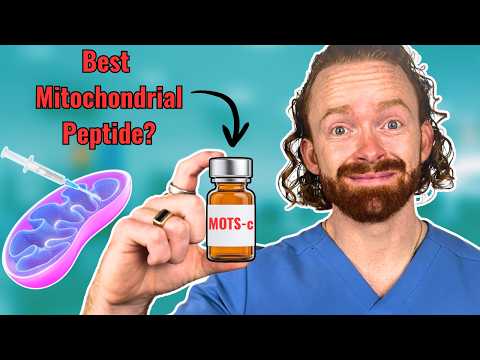
Quinn Stillson, MD — MOTS-c (CB-4211): Exercise in a Vial? Full Deep Dive (Benefits, Risks & Dosing)

Dr. Kristi Sawicki, Ph.D. — MOTS-c Explained: The Exercise-Activated Peptide Changing Metabolic Science

Dr. Alex Tatem, MD — This Peptide Makes Your Cells Think You’re Exercising
Video Sources & Independence
The videos linked on this page are provided solely for educational purposes. None of the physicians or channels featured are sponsored by, affiliated with, or compensated by NJ Weight Loss & Preventive Care Clinics, its physicians, or any individuals associated with our practice. We have selected these videos because they offer thoughtful, evidence-based discussion of mechanisms and clinical considerations. Viewers should evaluate all sources independently.
← Back to the full Peptide Guide overview · Peptide Dosing Reference →